
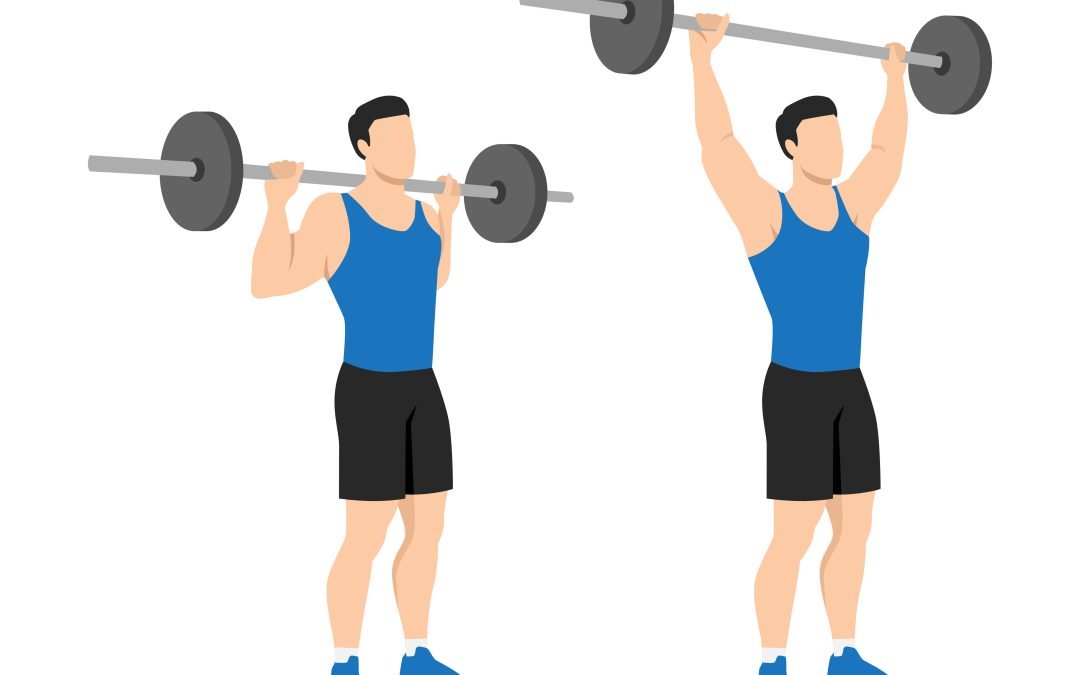
I wanted to shed some truth on behind-the-neck (BTN) exercises – why they are so controversial, and are they really bad for you?
I have posted briefly about these exercises previously, though I thought I would highlight these in a proper article.
Examples of BTN exercises can include barbell presses, lat. pull downs, or pullups.
Firstly, if you are familiar with BTN exercises, you would know they cop A LOT of flak and negativity and are generally thought to be ‘bad’ for you, due to the theory that they can cause or contribute to shoulder impingement.
Too look at this theory more closely, we’re going to unpack some shoulder anatomy.
When we look at a typical shoulder impingement, they are often due to a decrease in the sub-acromial space, which can then trap or impinge on the rotator cuff tendons, which is what can then cause the typical symptoms of pain or discomfort
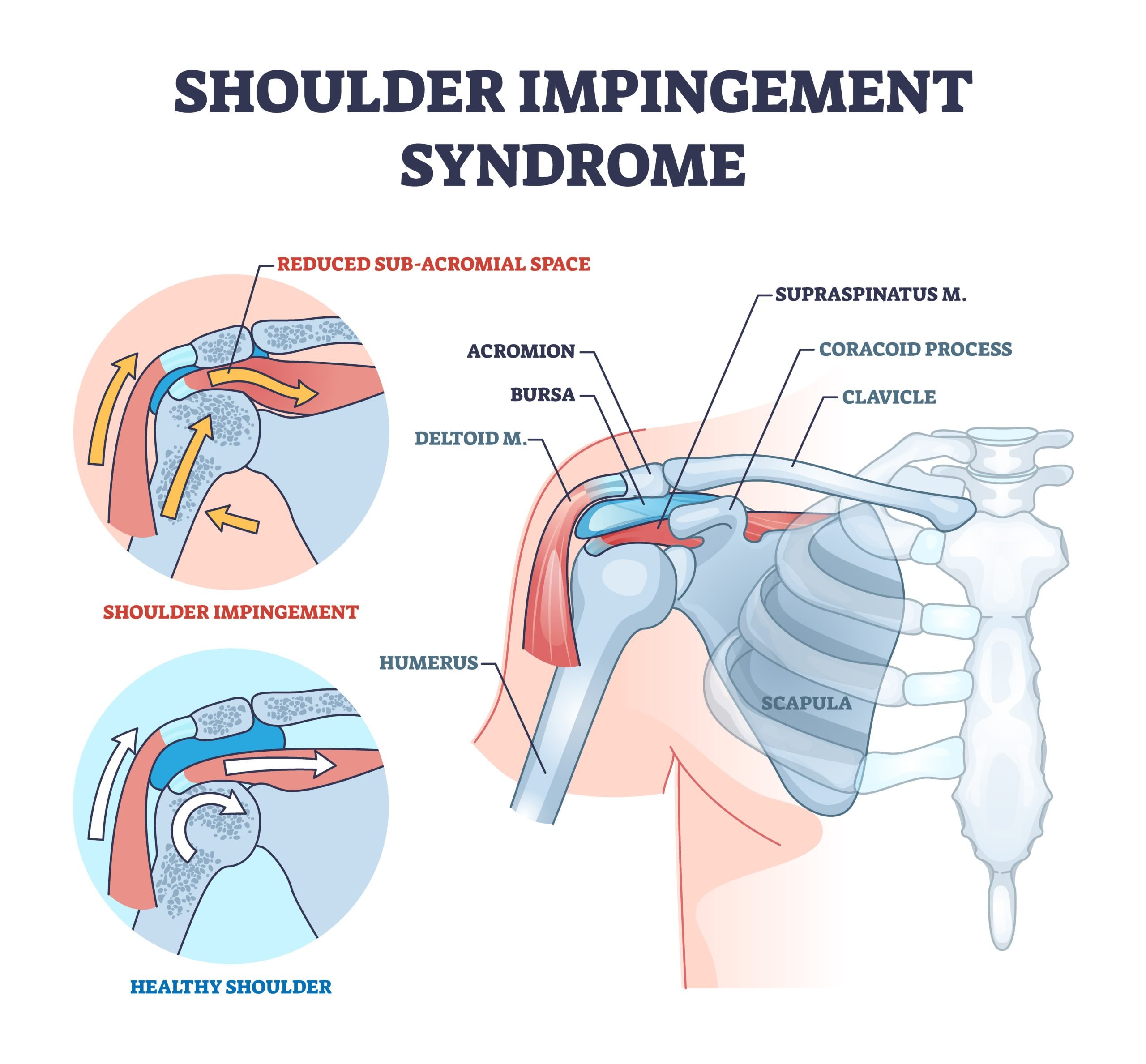
Now, this mechanism is often cause or exacerbated by internal rotation of the shoulder
When we look at BTN exercises, when performed correctly, these will actually promote external rotation of the shoulder, and therefore act to open up or free the sub-acromial space, which is the opposite effect of what these exercises have been thought to do
As such, the consensus that exercises can cause shoulder impingement is a myth – there is no scientific evidence to support this and is therefore a myth.
While abducted and externally rotated shoulder positions can increase stress on the anterior glenohumeral joint ligaments (which can occur if previous tightness already exists in this area), and with the exception of a BTN lat. pull down (as the fixed seated position can compromise overall posture) – no scientific evidence exists that demonstrates these exercises cause or contribute to injury, structural damage, pain, symptoms, or lack of performance in any way
Instead, BTN exercises can actually do the following:
✔ Promote external shoulder rotation
✔ Decrease or correct internal shoulder positions or tightness
✔ Correct tight or restricted thoracic spinal segments
✔ Correct posture
✔ Strengthen overall shoulder stability
✔ Address or correct typical shoulder impingement

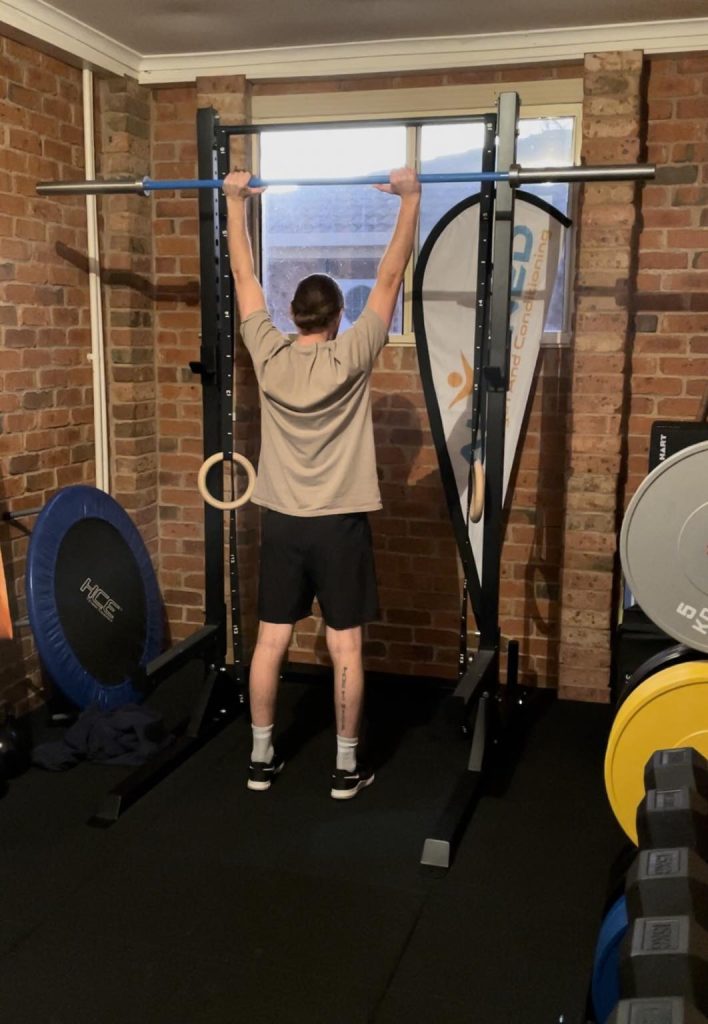
If you’re still not sure or confident with these types of movements, it can be a good idea to seek help or guidance from a qualified coach or trainer who has experience with these types of movements
Recent Comments